If you’ve spent any time around fitness, dieting, or even just trying to eat a bit better, you’ve probably heard the term macros thrown around. But what are macros, really? And do you actually need to track them to stay on top of your nutrition?
It can all sound a bit overcomplicated at first. Numbers, ratios, apps, tracking every bite… yeah, nah. The good news is, it doesn’t have to be that deep.
Once you understand the basics, you’ll see that macros are just a simple way to look at what’s on your plate and how it fuels your day.
What are macros?
When people ask what are macros, they’re really talking about macronutrients. These are the nutrients your body needs in larger amounts to function properly day to day.
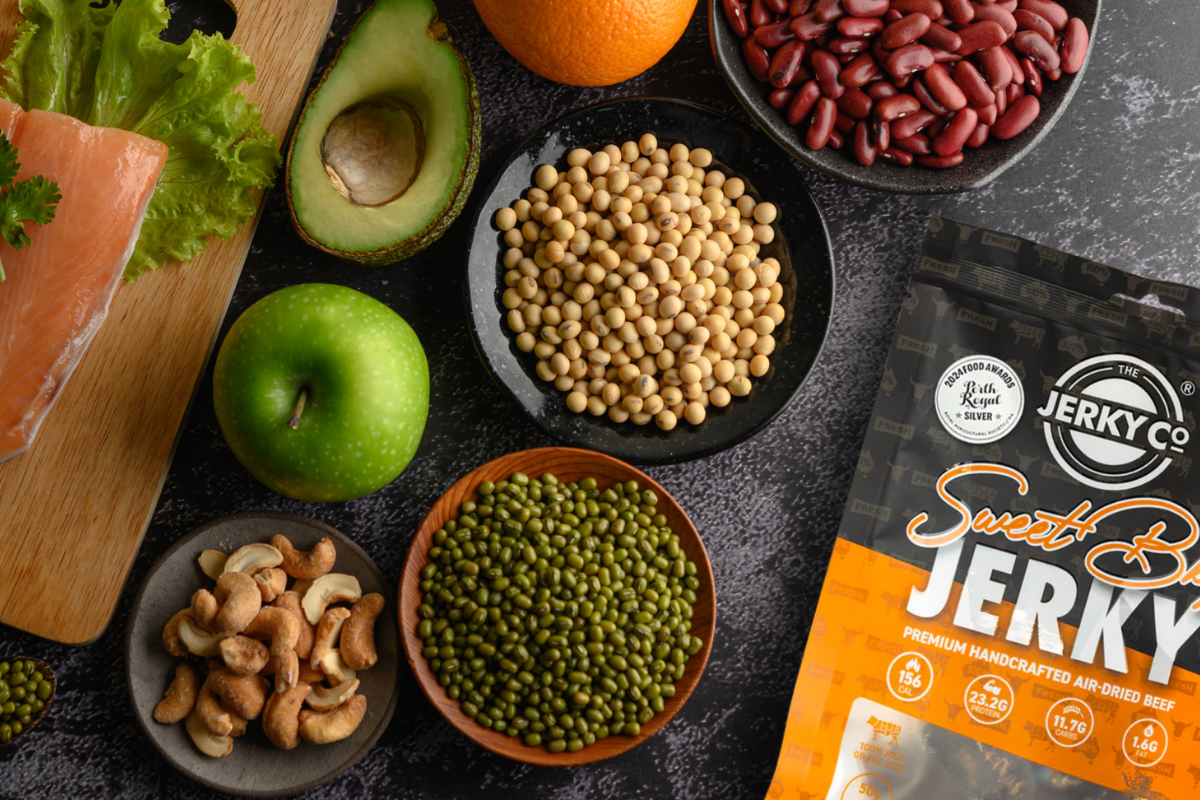
There are three main players: protein, carbohydrates, and fats. Every food you eat is made up of one or a mix of these, and each one plays a different role in keeping you fuelled, full, and functioning.
Protein (4 kcal/g)

Protein is all about repair and recovery. It helps build muscle, supports your immune system, and keeps you feeling full for longer.
You’ll find protein in foods such as:
- Beef, chicken, and fish
- Eggs and dairy
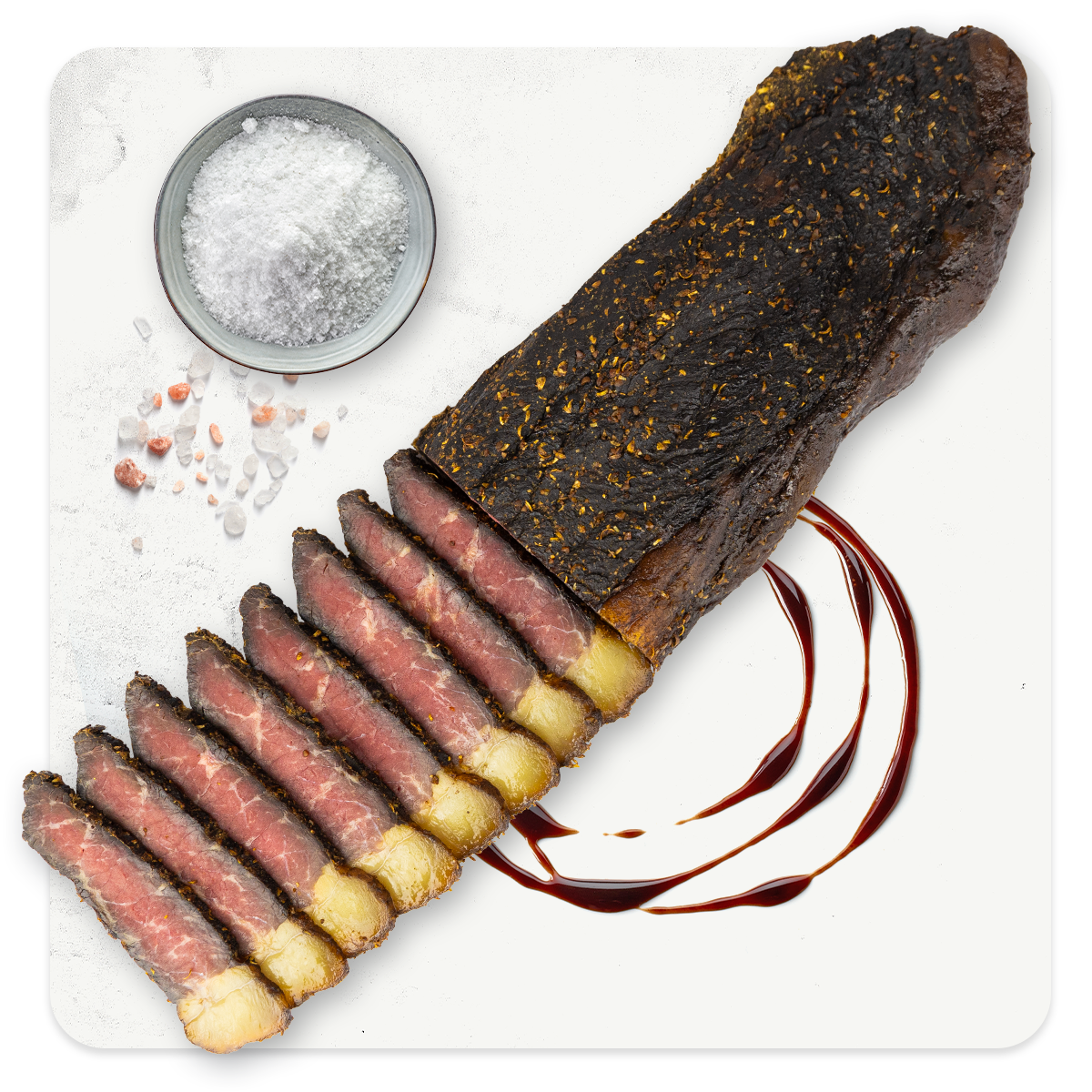
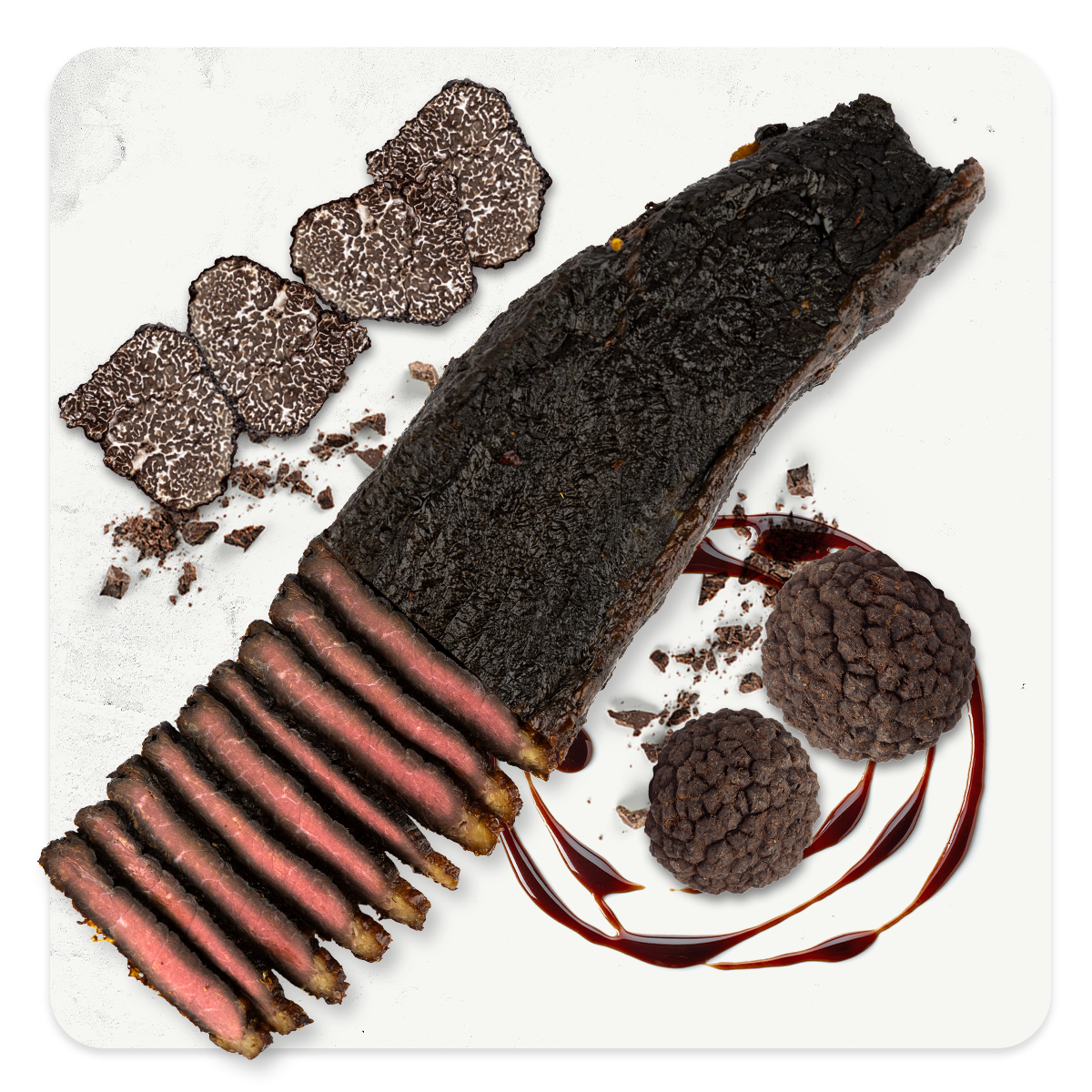
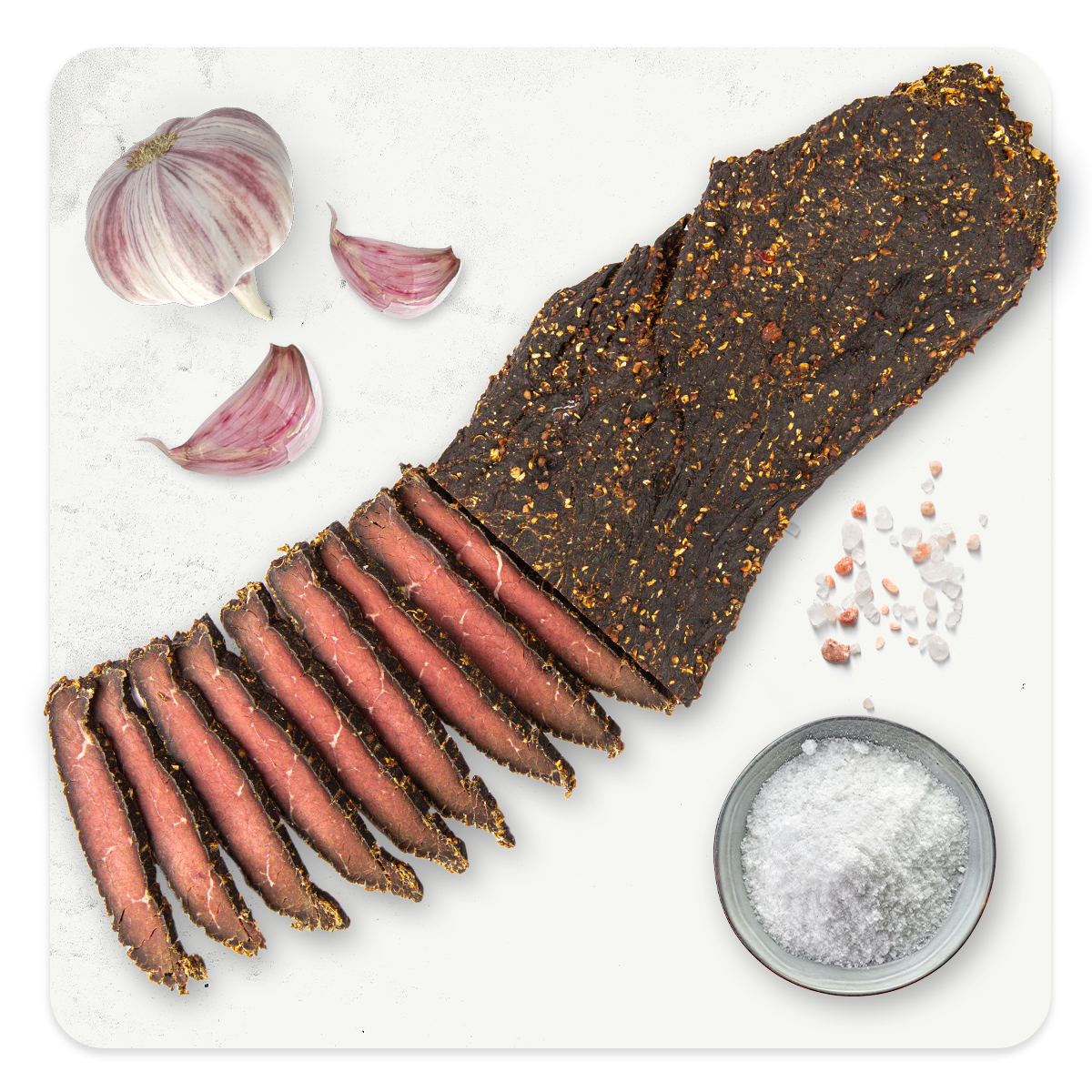
- Jerky, biltong, and other air-dried meats
- Legumes and some plant-based options
If you’re training, working long days, or just want to avoid constant snacking, protein pulls its weight.
Carbohydrates (4 kcal/g)

Carbs are your body’s go-to for quick energy. They fuel everything from your morning walk to a full-on gym session.
Common sources include:
- Fruit and veggies
- Bread, rice, and pasta
- Oats and cereals
- Air-dried fruit snacks
Not all carbs are created equal, but at the end of the day, they’re there to keep your energy levels ticking along.
Fats (9 kcal/g)

Fats often get a bad rap, but they’re actually crucial. They help with hormone function, brain health, and keeping you satisfied after meals.
You’ll find healthy fats in:
- Nuts and seeds
- Avocados
- Oils and butter
- Fatty cuts of meat
They’re more calorie-dense than protein or carbs, so you don’t need heaps, but cutting them out completely isn’t doing you any favours.
Why do macros matter?
Now that you know what macros are, the next question is pretty obvious. Why should you even care?
At a basic level, macros are what keep your body running properly. Get the balance right, and you’ll notice the difference in how you feel day to day. Energy, hunger, focus, even how you recover after a workout… it all ties back to what you’re eating.
Here’s where each macro pulls its weight:
- Protein helps keep you full and supports muscle recovery, especially if you’re training or on your feet all day
- Carbohydrates give you the energy to actually get through your day without feeling flat by mid-arvo
- Fats help keep things balanced, from hormones to overall satiety
When your macros are out of whack, it usually shows. You’ll find yourself constantly snacking, energy crashes, or feeling hungry not long after eating.
On the flip side, when you’ve got a decent balance, things just feel easier. You’re not thinking about food 24/7, your energy is more steady, and you’re better fuelled for whatever the day throws at you.
And here’s the kicker. You don’t need to be perfect with it. Even small tweaks, such as getting a bit more protein into your snacks, can make a noticeable difference.
What is macro counting? (and why people do it)
Macro counting is simply tracking how much protein, carbs, and fat you’re eating each day usually in grams rather than just looking at total calories. Instead of saying “I’ve had 2,000 calories today”, you’re breaking that down into where those calories are coming from.
For example, a typical setup might look something like:
- Around 40% carbs, 30% protein, 30% fat as a starting point
- More protein to support muscle and keep you full
- Moderate carbs for energy
- Enough fats to keep things balanced
It’s not a one-size-fits-all approach either. Those numbers can shift depending on your goals, lifestyle, and how active you are.
People usually turn to macro tracking when they’ve got a specific goal in mind. That could be:
- Losing body fat
- Building muscle
- Maintaining weight while improving food quality
There are online apps that can greatly help here with tracking, but it still means logging meals, checking labels, and paying closer attention to what you’re eating.
For some people, that level of detail is helpful. And for others, it can feel like a bit of a chore.
Do you actually need to count macros?
Macro counting can be useful if you’ve got a specific goal and you like structure. It gives you a clear picture of what you’re eating and can help dial things in pretty precisely.
But for most people, it’s overkill.
Tracking every meal, weighing food, logging snacks… it adds up. And if you’re just trying to eat better or simply cut back on mindless snacking, you don’t need that level of detail.
A simpler approach works just as well for most Aussies:
- Make sure you’re getting enough protein<
- Don’t rely on sugary, low-filling snacks
- Aim for balanced meals without overthinking it
Macro counting isn’t wrong, it’s just not essential. If you enjoy it, go for it. If not, you can still make solid progress by keeping things simple and focusing on better food choices.
The easiest macro win? Get more protein in

If there’s one thing you can do today to improve your macros without tracking a single thing, it’s eat more protein.
Seriously, it’s the simplest win going.
Swapping in high-protein snacks such as beef jerky or biltong is an easy way to balance things out without overthinking it. They’re packed with protein, low in sugar, and require zero prep. Just grab a pack and you’re sorted.
Even something as simple as pairing jerky with a bit of fruit gives you a solid mix of protein and carbs. Quick energy, plus something that actually fills you up.
Easy ways to improve your macros without tracking
1. Build snacks that actually do something
A lot of snacks are all carbs and not much else. That’s why you’re hungry again 20 minutes later.
Instead, aim for a mix:
- Protein + carbs = better energy and keeps you fuller longer
An easy go-to?
Beef jerky or biltong paired with air-dried fruit jerky.
You’ve got protein to keep you satisfied, plus natural carbs for a quick energy hit.
2. Upgrade your snack stash

If your cupboard’s full of biscuits and muesli bars, you’re already fighting an uphill battle.
Stock up on options that make hitting your macros easier:
- Beef Jerky – Sweet BBQ , Smokey, or a bit of Chilli if you like some kick
- Biltong – softer texture, with flavours such as Traditional, Garlic, or even Extra Hot
- Snap sticks or Droëwors – perfect for the car, desk, or gym bag
- Air-dried fruit –mango, pineapple, or apple for that natural sweetness
When you’ve got better options on hand, you’re way more likely to grab something that actually fuels you.
3. Keep it within arm’s reach
The best snack in the world won’t help if it’s not nearby.
Keep a stash:
- In your gym bag
- In the car
- In your desk drawer
- In the pantry at home
That way, when hunger hits, you’re not defaulting to whatever’s easiest. You’ve already got a solid option ready to go.
4. Don’t overthink it
You don’t need perfectly balanced meals every single time.
If you can:
- Add a solid protein source
- Pair it with something for energy
- Cut back on the low-filling, sugary stuff
…you’re already doing better than most!
Keep your macros simple (and your snacks sorted)
Macros don’t need to be overcomplicated. Focus on getting enough protein, balance things out, and you’re already ahead of the game.
Stock up on high-protein snacks like beef jerky, biltong, and a few naturally sweet options like air-dried fruit, and you’ve got an easy way to stay on track.
Browse the full range online or find your nearest kiosk and sort your snacks the simple way.